What Are Workers Compensation Insurance Quotes?
Workers compensation insurance quotes are price estimates provided by insurance companies that outline the expected cost of a workers compensation policy for a specific business. This type of insurance is designed to cover medical expenses, lost wages, and rehabilitation costs if an employee is injured or becomes ill due to their job. Quotes vary depending on the industry, number of employees, payroll size, claims history, and state-specific regulations. By comparing multiple quotes, businesses can find the most affordable coverage while ensuring they remain compliant with legal requirements.
Why Workers Compensation Insurance Is Crucial for Businesses
For most employers in the U.S., workers compensation coverage isn’t optional — it’s a legal obligation. Beyond the regulatory requirement, it also serves as a critical protection for both employer and employee. Without adequate insurance, businesses can face hefty fines or lawsuits if a workplace injury occurs. The financial strain of paying out-of-pocket for hospital bills or disability wages can cripple a company, especially small to mid-sized firms.
Even in states where coverage is optional for certain business types, many choose to carry it anyway. It signals to employees that their well-being is valued, which can boost morale and loyalty. Furthermore, many clients, investors, and contractors require proof of insurance before initiating a business relationship.
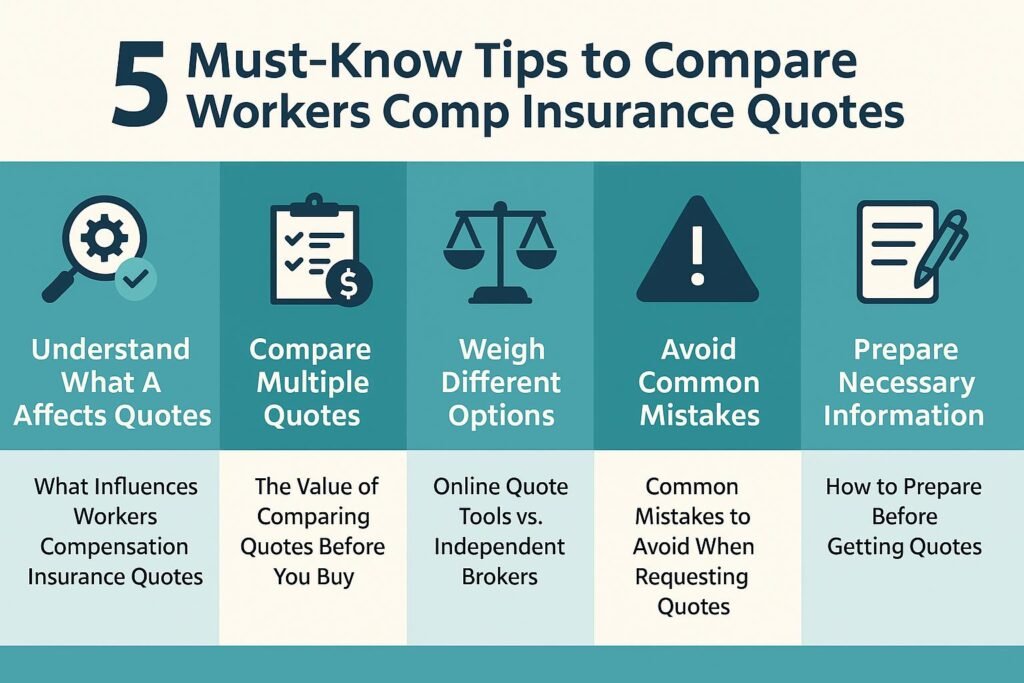
What Influences Workers Compensation Insurance Quotes?
Several factors determine the premium amount quoted by insurers. Understanding these variables helps business owners negotiate better rates and spot potential red flags in overpriced policies.
The first major factor is industry risk classification. A roofing contractor will naturally pay more than an office-based web design agency because of the higher physical risks involved. Each job role within a company is assigned a classification code that carries its own risk weight.
Another critical factor is payroll size. Since workers compensation is calculated as a percentage of total payroll, companies with more employees or higher average wages typically pay more.
Insurers also consider a business’s claim history. A spotless record may unlock discounts, while a history of frequent injuries could inflate rates or even result in coverage denial from some carriers.
Lastly, state laws and regulations play a major role. Premium rates are not uniform across the U.S., and states like California or New York tend to have higher base rates compared to others due to stricter benefit requirements and higher living costs.
The Value of Comparing Quotes Before You Buy
Many business owners make the mistake of buying the first policy they’re offered. This can be a costly oversight. Comparing workers compensation insurance quotes is more than just a price-check exercise — it’s a way to evaluate different levels of service, policy exclusions, billing flexibility, and customer support quality.
Some insurers may offer bundled services, such as access to return-to-work programs or free safety training resources. Others may provide flexible billing plans or support for high-risk industries. By gathering at least three to five quotes, business owners can weigh coverage details and hidden fees that may not be obvious at first glance.
Online Quote Tools vs. Independent Brokers
Today, businesses have two main options for collecting workers comp quotes: online platforms and licensed brokers.
Online quote engines offer speed and convenience. You simply enter your business details, and within minutes, you may receive multiple offers from competing insurers. However, these tools may rely on estimates and not account for industry nuances, which can result in adjusted pricing later on.
Brokers, on the other hand, provide personalized guidance and may have access to exclusive deals. They can advocate on your behalf, especially if your business operates in a high-risk sector or has a complicated claims history. The trade-off is that the process may take longer, and some brokers charge fees for their service.
In general, combining both methods gives the best of both worlds — speed and expert insight.
Common Mistakes to Avoid When Requesting Quotes
To get the most accurate and beneficial workers compensation insurance quotes, there are some pitfalls to avoid:
- Underreporting payroll: This might lower the quote, but it can lead to underinsurance or higher premiums later.
- Failing to classify employees correctly: Misclassifications can either inflate premiums or result in denied claims.
- Not disclosing previous claims: Insurers often run their own checks. Being upfront builds trust and may lead to better terms.
- Accepting the cheapest policy without scrutiny: Some policies exclude important coverage areas or have poor customer support.
How to Prepare Before Getting Quotes
To streamline the process and ensure accurate quotes, prepare the following beforehand:
- Your Federal Employer Identification Number (EIN)
- Total number of employees and job descriptions
- Annual payroll estimates
- Details of any past claims in the last three to five years
- Your business address and state of operation
- Any current insurance policies (optional but helpful)
Final Thoughts: Protect Your People and Your Business
Workers compensation insurance isn’t just a legal formality — it’s a foundational piece of responsible business ownership. By obtaining multiple quotes and understanding what affects pricing, business owners can avoid overpaying while ensuring top-tier protection for their team.
The effort you put into comparing quotes today could save you thousands down the line — and even more importantly, ensure that if an accident happens, your business and employees are covered.
Related Articles on BusinessAndWealthWithJames.com:
- Business Line of Credit – How flexible credit lines help manage cash flow.
Resources
Disclaimer: This article is for informational purposes only and does not constitute financial, legal, or tax advice. Please consult a professional advisor for personalized guidance.